• Contact us:
  • +44 -0- 208 087 2501
  • info@chefacademyoflondon.com
  • English
  • 中文 (台灣)
  • Italiano
  • Français
  • Español
Chef Academy of London - Home
+44 -0- 208 087 2501
info@chefacademyoflondon.com
English 中文 (台灣) Italiano Français Español
  • Home
  • About Us
    Careers Our schools How to Apply FAQs
  • Online Courses
    Introduction to the Professional Chef Online Course Michelin Star Advanced Techniques Online Course
  • Cooking Courses
    Hospitality Management and Advanced Food Science (600 hours) Advanced Professional Chef Course (550 hours) Michelin Starred Chef Course (300 Hours) Professional Chef Course (325 Hours) Kosher Professional Chef Course (400 Hours) Halal Advanced Professional Chef Course (550 Hours) Professional Chef Course – Italian cuisine (325 hours) Professional Patisserie and Confectionery Course (840 Hours) Introduction to the Professional Chef Course (80 hours) Advanced Cooking Techniques (80 hours) Intensive Professional Pastry Programme (80 Hours)
  • International Students
  • Restaurant Partners
  • Reviews

Blog

Home » Blog » Molecular Gastronomy
Molecular Gastronomy

Molecular Gastronomy

  • Posted by admin
  • Categories Blog
  • Date April 8, 2026
  • Comments 0 comment

The term  “Molecular Gastronomy” was devised in 1988 by physicist Nicolas Kurti and French chemist Hervé This. It was originally intended to refer to the investigation of cooking, though it has been adopted and applied to describe a type a cuisine.

Molecular gastronomy is a form of food science that investigates the physical and chemical transformation of ingredients in cooking. Cooking was recognised to have three components, which are social, artistic and technical. Molecular gastronomy is a modern style of cooking, it uses various styles of technical innovations from the scientific methods.

There are many aspects of food science that study different forms of food, such as preservation, chemistry, microbiology, engineering and physics. Until the creation of molecular gastronomy, there was no formal discipline dedicated to studying the chemical processes of cooking in restaurants or from home. Food science  has always been more concerned with the industrial production of food.

Here are some techniques, tools and ingredients of Molecular Gastronomy


  • Carbon dioxide (for adding bubbles and making foams)
  • Immersion blender (for making foams)
  • Liquid nitrogen (for flash freezing and shattering)
  • Anti griddle (for cooling and freezing)
  • Ice cream maker (to produce unusual flavours, often savoury)
  • Thermal immersion circulator (for sous vide – low temperature cooking)
  • Maltodextrin (can turn a high fat liquid into a powder)
  • Food dehydrator
  • Centrifuge
  • Sugar Substitutes
  • Enzymes
  • Hydrocolloids (starch, gelatin, pectin and natural gums – used as a thickening agent, gelling agent, emulsifying agent and stabilizers)
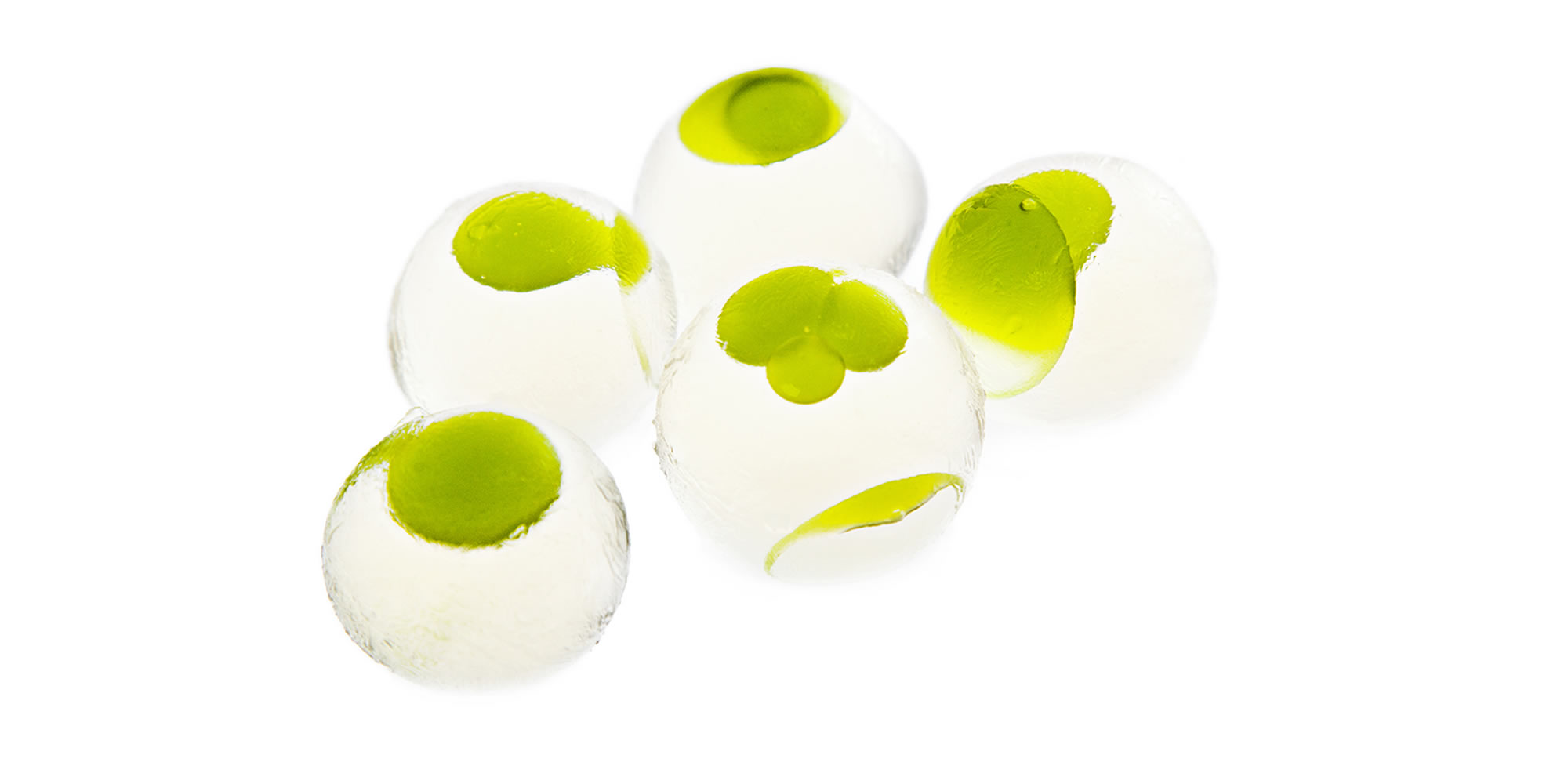
  • Spherification (an caviar like effect)
  • Transglutaminase (a protein binder, called meat glue)
  • Syringe (for injecting fillings of unexpected flavour)
  • Edible paper (made from soybeans and potato starch, used with edible fruit inks and inkjet printers)
  • – Aromatic accompaniment (gases trapped in a bag, a serving device, an aromatic substance presented as a garnish, or a smell produced by burning)
  • Ultrasound (to achieve a more precise cooking time)
  • Share:
author avatar
admin

Previous post

Be the next chef of 'Taste of London'
April 8, 2026

Next post

Be the next chef of 'Taste of London'
April 8, 2026

You may also like

The art of baking
Learning the ART of baking with Chef Academy!
April 12, 2026
italian-cuisine-da5
Learn the Italian way with Chef Academy London
April 12, 2026
Specialized professional culinary courses
Specialized professional Culinary Courses
April 12, 2026

Leave A Reply Cancel reply

Your email address will not be published. Required fields are marked *

Became a professional chef

View our courses

Gallery

Gallery Gallery Gallery Gallery Gallery

Chef Academy London

Chef Academy London was founded in 2007 and since then has led the way for professional training for head chefs, pastry chefs and restaurant managers. Book an appointment with one of our expert advisors for more information.

Contact Us

The Chef Academy LTD Registered Office: 45 Albemarle Street, 3rd Floor, London, England, W1S 4JL
Phone: +44 -0- 208 087 2501
Email: info@chefacademyoflondon.com

Our Policies

  • Terms & Conditions
  • Privacy Policy
  • Complaints Policy and Procedure
  • Attendance and Punctuality Policy
  • Cookies Policy
  • Newsletter Profile
  • Blog
  • Contact Us
Home
Account

Login with your site account

Lost your password?