• Contact us:
  • +44 -0- 208 087 2501
  • info@chefacademyoflondon.com
  • English
  • 中文 (台灣)
  • Italiano
  • Français
  • Español
Chef Academy of London - Home
+44 -0- 208 087 2501
info@chefacademyoflondon.com
English 中文 (台灣) Italiano Français Español
  • Home
  • About Us
    Careers Our schools How to Apply FAQs
  • Online Courses
    Introduction to the Professional Chef Online Course Michelin Star Advanced Techniques Online Course
  • Cooking Courses
    Hospitality Management and Advanced Food Science (600 hours) Advanced Professional Chef Course (550 hours) Michelin Starred Chef Course (300 Hours) Professional Chef Course (325 Hours) Kosher Professional Chef Course (400 Hours) Halal Advanced Professional Chef Course (550 Hours) Professional Chef Course – Italian cuisine (325 hours) Professional Patisserie and Confectionery Course (840 Hours) Introduction to the Professional Chef Course (80 hours) Advanced Cooking Techniques (80 hours) Intensive Professional Pastry Programme (80 Hours)
  • International Students
  • Restaurant Partners
  • Reviews

admin

Home » Archives for admin » Page 4
Qualities of a chef
08 April

Qualities of a chef

  • Posted by admin
  • Categories Blog
  • Comments 0 comment

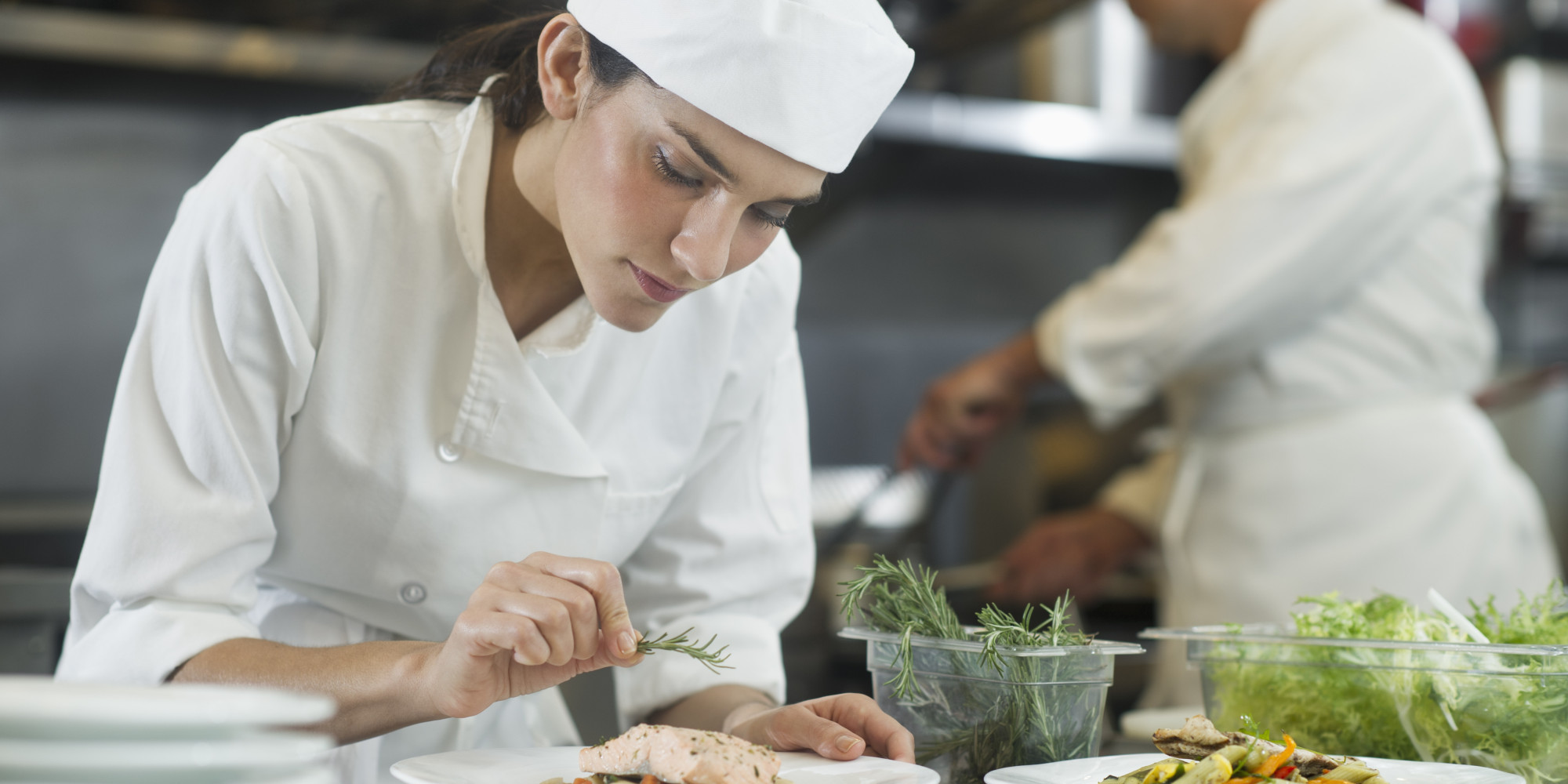
There are some essential qualities of a chef, without these one cannot become a successful professional chef.

The fast-paced world of the culinary industry welcomes professionals who are skilled, passionate about the trade and innovative in their creations.

Below are some of the very essential qualities of a chef that will help them achieve success in the trade.

  • Passion: A great chef has to be passionate about food and cooking. They have to genuinely enjoy the whole process of procuring, preparing, cooking and serving food and have to be able to design menus too.
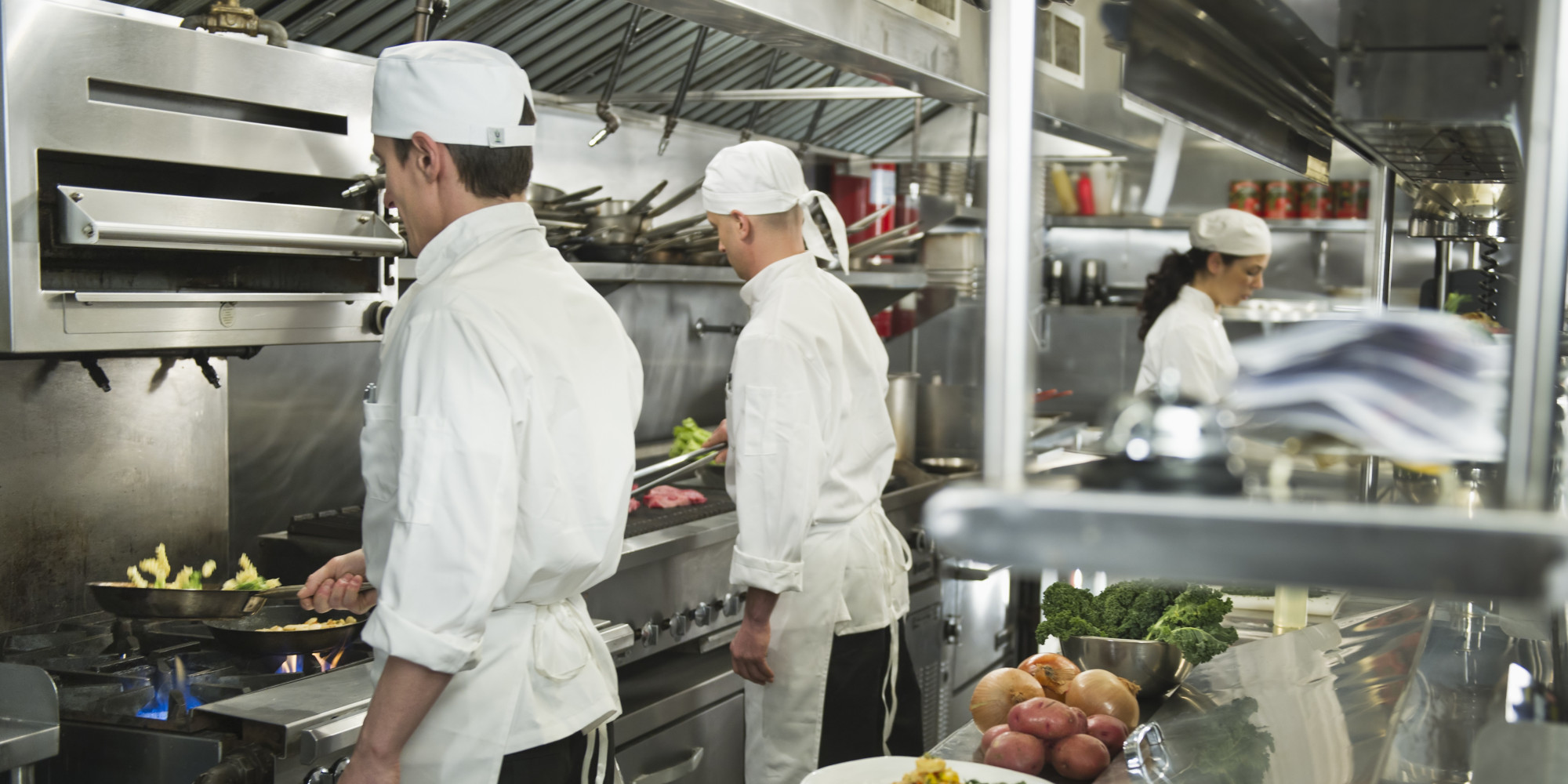
  • Stamina: An essential quality of a true chef is stamina. The commercial kitchen is a hard place to work; long hours on foot exposed to heat, grease, high pressure and odd working hours; a chef needs stamina to remain focused and consistently produce top quality food.
  • Leadership skills: It is the chef who is responsible for the kitchen. They have to be able to give direction to their team and maintain an amicable atmosphere in their kitchen. They need to guide, coach and monitor their juniors so that the operations run smoothly.
Read more about Qualities of a chef Read More
Duties of a Chef
08 April

Duties of a Chef

  • Posted by admin
  • Categories Blog
  • Comments 0 comment

To become a chef you do not have to have academic qualifications, but you definitely do have to have a passion for food and cooking, the stamina to take long hours on your feet and the ability to multitask. And of course you have to have creativity and imagination in food presentation. In a large kitchen chefs work as a part of a team each looking after a different part of the preparation or food area like the frying or grilling station or the bread and pastry section, the meat or fish station or the vegetable station. In a smaller kitchen there may be fewer separate stations depending on the menu.

If you join the trade without any culinary qualification your first job in the kitchen will probably be that of an apprentice and you may have to spend hours peeling onions and potatoes. But a graduate with a culinary certificate or diploma joins the trade as a commis chef, the first rung of the ladder.

The job description or duties of a commis chef are:

Primarily learning the various cooking methods. He or she has to rotate in the kitchen from station to station and pick up the skills of each station.

  • Practice the skills they have learnt so that they can master them and move on to the next level.
  • On the job the have to do all the preparation of ingredients for the senior chef at his station
  • They have to carefully and accurately measure dish portions
Read more about Duties of a Chef Read More
Types of chefs
08 April

Types of Chefs

  • Posted by admin
  • Categories Blog
  • Comments 0 comment

The legendary French chef George Auguste Escoffier in his book Le Guide Culinaire defined certain theories of kitchen management that have been adopted by professional kitchens all over the world. Among them is the kitchen hierarchy system known as the Brigade de Cuisine which specifies the types of chefs that are a part of a normal kitchen.

According to this Brigade system the types of chefs are as follows:

  • Chef de Cuisine or Executive chef: He or she is the boss in the kitchen. Normally a restaurant or chain has one executive chef. It takes years of training at a culinary academy and decades of experience to reach this topmost level. An executive chef rarely has to cook and their duties are basically administrative wherein they supervise operations, plan out menus and ensure that the kitchen is running smoothly.
  • Sous Chef or Assistant chef: The sous chef is immediately below the executive chef and is the person who is directly responsible for food production. Depending on the size of the kitchen there may be one or more sous chefs who are responsible for all the junior chefs and other kitchen workers.
  • Chef de Partie or Senior chef: This individual is responsible for a particular type of menu that he or she specializes or excels in. It is his or her duty to direct the preparation necessary for his specific menu.
  • Line Chefs or Station chefs: Working directly under the sous chef there are various types of line chefs each responsible for a specific part of a meal.
    • Saucier: It is their duty to prepare the master sauces required in food production. It is a very important role and the sauce chef has to be highly skilled since the sauce is a very vital ingredient especially in French cuisine.
Read more about Types of Chefs Read More
MasterChef: The professionals
08 April

MasterChef: The professionals

  • Posted by admin
  • Categories Blog
  • Comments 0 comment

MasterChef: The Professionals is back on our television screens again! The competitive cooking show is a more recent version of MasterChef but with professional working chefs instead of amateurs.

It televises the hunt for a professional chef who wants to make it to the top of the culinary world.

Each show sees a new group of Professional Chef enter the MasterChef kitchen and compete with each other in a series of challenges and tasks. From advanced cooking techniques to their chosen signature dishes, the professional chefs are really put through their paces.

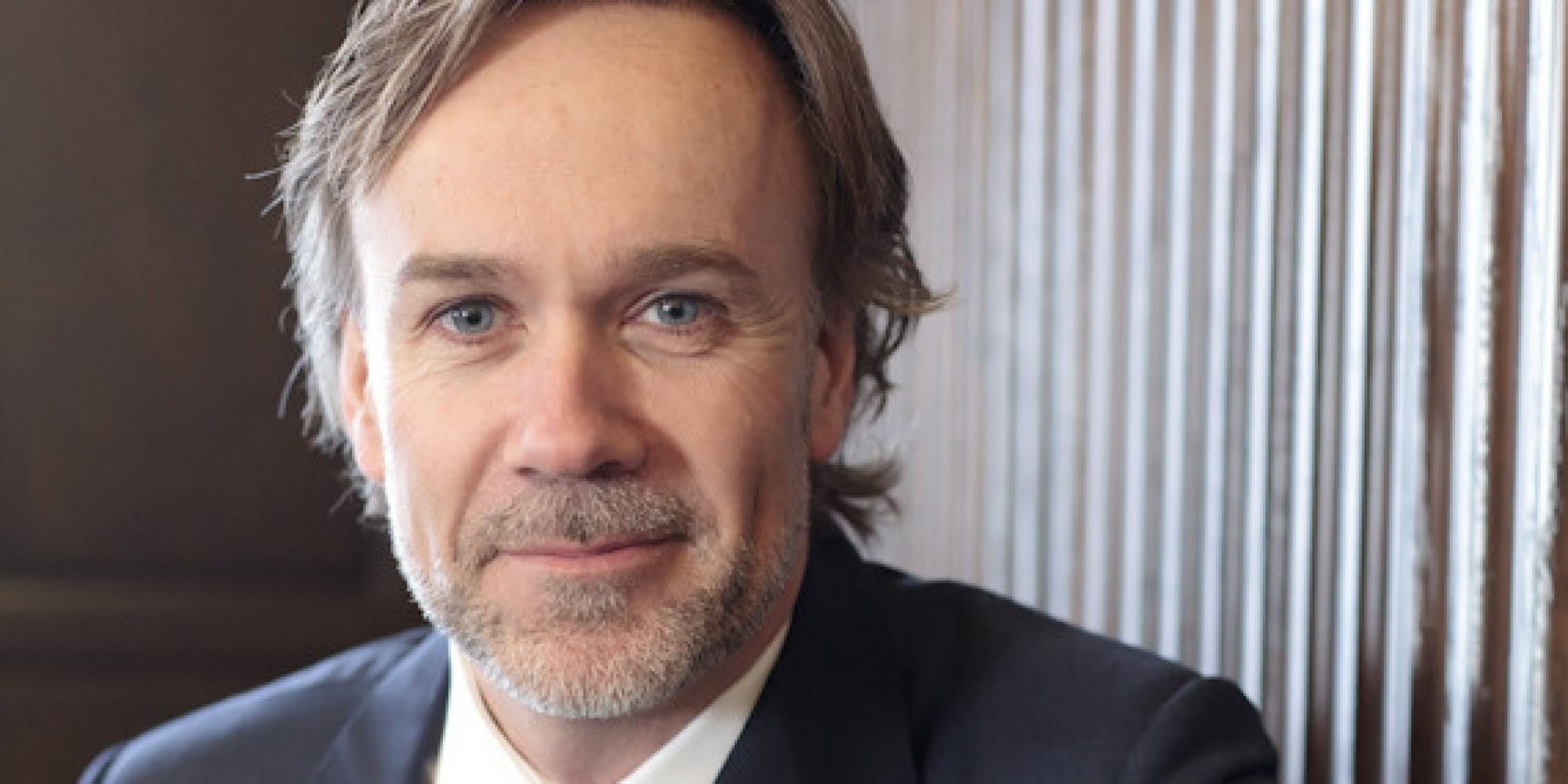
This series marks the arrival of a new member on the judging team, the famous chef and restaurateur, Marcus Wareing. Marcus earned his first Michelin star at the young age of 25 as head chef at L’Oranger. At present day he is Chef Patron of the two Michelin starred Marcus located at the five star Berkeley Hotel in Knightsbridge. He then opened The Gilbert Scott at the St Pancras Renaissance Hotel and most recently his new restaurant Tredwell’s that offers customers a more casual dining experience.

Read more about MasterChef: The professionals Read More
Specialized professional culinary courses
08 April

Specialized professional Culinary Courses

  • Posted by admin
  • Categories Blog
  • Comments 0 comment

There are many professional culinary courses that impart training to aspiring chefs. Some of them hone the student’s skills in the stream he wishes to specialize.

The professional culinary courses cover topics like:

  • Food preparation
  • Food science and microbiology
  • Restaurant business and management 
  • Nutrition
  • Food preservation and storage
  • Cultural impact of food

These professional culinary courses teach skills necessary for a range of food service careers, including food preparation and restaurant management. Apart from chefs, graduates of these professional culinary courses can also work as food researchers, food wholesalers and food industry or catering managers. They have the option of starting their own business too.

Read more about Specialized professional Culinary Courses Read More
Culinary courses
08 April

Culinary Courses

  • Posted by admin
  • Categories Blog
  • Comments 0 comment

Although it is possible to become a chef by training on the job and not attending any formal culinary courses, it is a very long drawn out process. You have to join the trade at the bottom of the ladder as a kitchen assistant, possibly washing dishes and work your way up. It is therefore always advisable to get formal training, attend reputed culinary courses and learn the basic theory and tricks of the trade.

There are various types of culinary courses available all over the world, both short term and more comprehensive long duration. Professional chef can work in many different places, including hotels, restaurants, resorts, casinos, hospitals, schools and colleges, corporate office canteens, yachts, food trucks and street stalls and even private homes.There are many culinary courses to prepare you for each path.

There are various areas of operations in the hospitality trade. If you wish to become a chef, depending on your area of interest, you should opt for a certificate, diploma or degree that gears you up for your vision.

Read more about Culinary Courses Read More
St Moritz Gourmet festival
08 April

St. Moritz Gourmet Festival 2015 ‘British Edition’

  • Posted by admin
  • Categories Blog
  • Comments 0 comment

On the 26th – 30th January 2015, The St. Moritz Gourmet Festival took place in the Upper Engadin in the Swiss canton of Graubünden. It was launched by top chef Reto Mathis in 1994 and established as the first festival of its kind. It is one of the leading gourmet festivals in Europe welcoming around 3,500 guests each year to take part in various events.

Since establishment, the festival has been a creative collaboration of outstanding international master chefs. Each year the master chef from each of the partner hotels invites a guest chef.

This year marked the Great British edition. This comes as Switzerland celebrate 150 years of winter tourism. The country owes this anniversary to the British who were the first to discover St. Moritz as a winter destination. The event held exciting and enjoyable encounters with highly creative master chefs from Great Britain’s top league.

Read more about St. Moritz Gourmet Festival 2015 ‘British Edition’ Read More
St Moritz Gourmet festival
08 April

St. Moritz Gourmet Festival 2015

  • Posted by admin
  • Categories Blog
  • Comments 0 comment

On the 26th – 30th January 2015, The St. Moritz Gourmet Festival took place in the Upper Engadin in the Swiss canton of Graubünden. It was launched by top chef Reto Mathis in 1994 and established as the first festival of its kind. It is one of the leading gourmet festivals in Europe welcoming around 3,500 guests each year to take part in various events.

Since establishment, the festival has been a creative collaboration of outstanding international master chefs. Each year the master chef from each of the partner hotels invites a guest chef.

This year marked the Great British edition. This comes as Switzerland celebrate 150 years of winter tourism. The country owes this anniversary to the British who were the first to discover St. Moritz as a winter destination. The event held exciting and enjoyable encounters with highly creative master chefs from Great Britain’s top league.

Read more about St. Moritz Gourmet Festival 2015 Read More
Molecular Gastronomy
08 April

Molecular Gastronomy

  • Posted by admin
  • Categories Blog
  • Comments 0 comment

The term  “Molecular Gastronomy” was devised in 1988 by physicist Nicholas Kurti and French chemist Hervé This. It was originally intended to refer to the investigation of cooking, though it has been adopted and applied to describe a type a cuisine.

Molecular gastronomy is a form of food science that investigates the physical and chemical transformation of ingredients in cooking. Cooking was recognised to have three components, which are social, artistic and technical. Molecular gastronomy is a modern style of cooking, it uses various styles of technical innovations from the scientific methods.

There are many aspects of food science that study different forms of food, such as preservation, chemistry, microbiology, engineering and physics. Until the creation of molecular gastronomy, there was no formal discipline dedicated to studying the chemical processes of cooking in restaurants or from home. Food science  has always been more concerned with the industrial production of food.

Here are some techniques, tools and ingredients of Molecular Gastronomy:

Read more about Molecular Gastronomy Read More
Molecular Gastronomy
08 April

Molecular Gastronomy

  • Posted by admin
  • Categories Blog
  • Comments 0 comment

The term  “Molecular Gastronomy” was devised in 1988 by physicist Nicolas Kurti and French chemist Hervé This. It was originally intended to refer to the investigation of cooking, though it has been adopted and applied to describe a type a cuisine.

Molecular gastronomy is a form of food science that investigates the physical and chemical transformation of ingredients in cooking. Cooking was recognised to have three components, which are social, artistic and technical. Molecular gastronomy is a modern style of cooking, it uses various styles of technical innovations from the scientific methods.

There are many aspects of food science that study different forms of food, such as preservation, chemistry, microbiology, engineering and physics. Until the creation of molecular gastronomy, there was no formal discipline dedicated to studying the chemical processes of cooking in restaurants or from home. Food science  has always been more concerned with the industrial production of food.

Here are some techniques, tools and ingredients of Molecular Gastronomy

Read more about Molecular Gastronomy Read More
  • <
  • 1
  • …
  • 3
  • 4
  • 5
  • …
  • 7
  • >

Became a professional chef

View our courses

Gallery

Gallery Gallery Gallery Gallery Gallery

Chef Academy London

Chef Academy London was founded in 2007 and since then has led the way for professional training for head chefs, pastry chefs and restaurant managers. Book an appointment with one of our expert advisors for more information.

Contact Us

The Chef Academy LTD Registered Office: 45 Albemarle Street, 3rd Floor, London, England, W1S 4JL
Phone: +44 -0- 208 087 2501
Email: info@chefacademyoflondon.com

Our Policies

  • Terms & Conditions
  • Privacy Policy
  • Complaints Policy and Procedure
  • Attendance and Punctuality Policy
  • Cookies Policy
  • Newsletter Profile
  • Blog
  • Contact Us
Home
Account

Login with your site account

Lost your password?